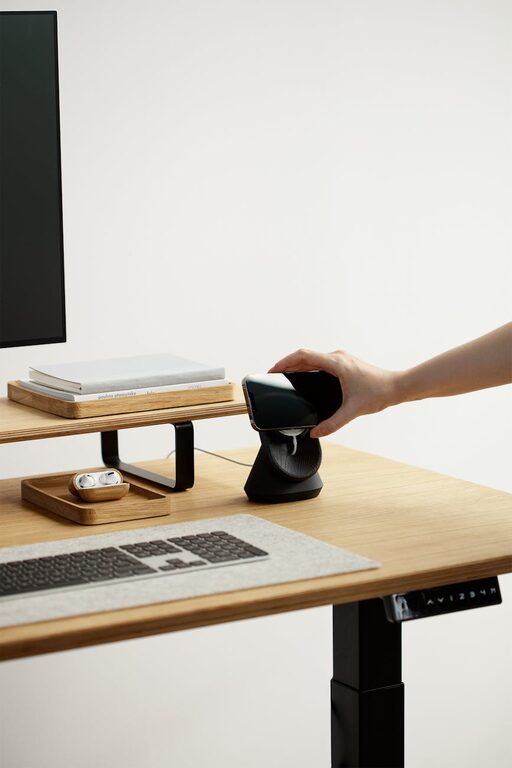
Creating a productive home office space is essential in today’s world, where remote working has become increasingly common. A well-designed space can improve focus, reduce stress, and help maintain a healthy work-life balance. Whether you have a dedicated room or a small corner, there are plenty of ways to transform your area into an efficient and comfortable workspace.
Choose the Right Location
Find a Quiet Spot
Selecting the right spot is the first step in setting up a home office. Ideally, choose a quiet area away from the main hustle and bustle of the household. This will minimise distractions and allow you to concentrate better on your tasks.
Consider Natural Light
Natural light positively affects mood and energy levels. Position your desk near a window if possible, but avoid direct glare on your computer screen. If natural light is limited, invest in good quality lighting to keep the space bright and inviting.
Invest in Comfortable and Functional Furniture
Ergonomic Chair and Desk
Comfort is key to staying productive over long hours. Choose an ergonomic chair that supports your back and encourages good posture. A desk with enough surface area will help keep your workspace organised and accommodate necessary equipment.
Desk Organisation
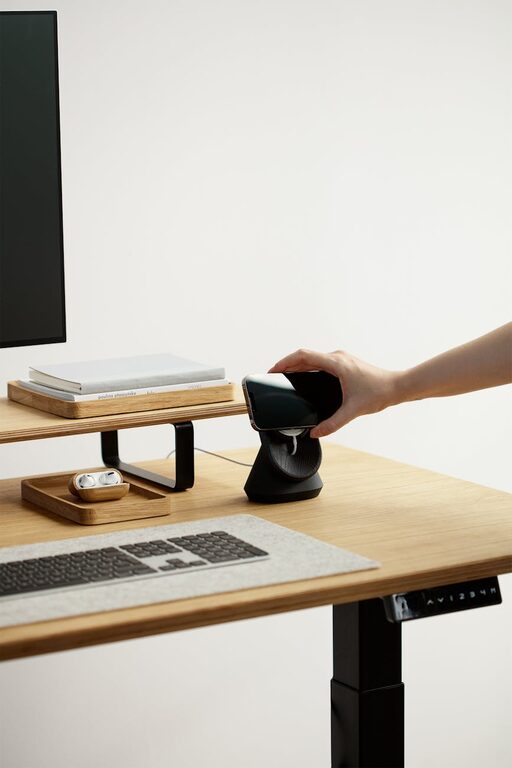
Consider getting organisers, trays, or shelves to keep pens, papers, and gadgets in order. A clutter-free desk helps clear the mind and reduces stress.
Optimise Technology and Equipment
Reliable Internet Connection
A slow or unstable internet connection can cause frustration and interrupt your workflow. Ensure your Wi-Fi is strong or consider using a wired connection.
Essential Devices and Accessories
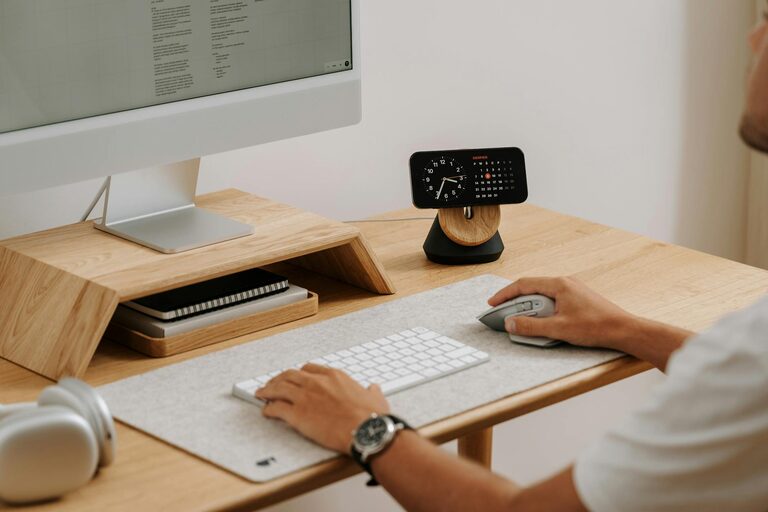
Make sure you have all the necessary devices such as a computer, printer, and headphones. Accessories like keyboard stands, mousepads, and monitor risers can boost comfort and efficiency.
Create Boundaries to Separate Work and Home Life
Define Your Workspace Clearly
If you don’t have a separate room, use room dividers, curtains, or shelving units to create a distinct boundary that signals “worktime” to your brain.
Dress for Work
Changing into work-appropriate clothes, even when at home, can help switch your mindset and prepare you for the day ahead.
Establish a Routine and Organise Your Time
Plan Your Day
Keep a planner or digital calendar to schedule tasks and breaks. Having a clear plan keeps you focused and helps prioritise important activities.
Regular Breaks
Working for long periods without breaks can reduce productivity. Follow techniques such as the Pomodoro method—working for 25 minutes followed by a five-minute break—to maintain energy and focus.
Personalise Your Workspace
Add Plants and Decorations
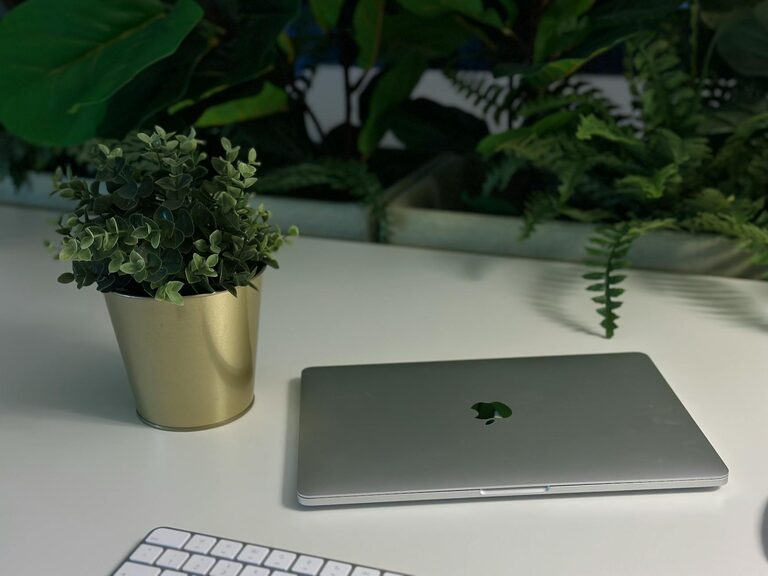
A few plants can brighten your office and improve air quality. Personal items like photos or artwork make the space more welcoming and enjoyable.
Manage Noise Levels
If natural quiet is hard to find, consider noise-cancelling headphones or white noise machines to block out distractions.
Keep the Space Clean and Tidy
Daily Tidying
Take a few minutes at the end of each day to clear your desk. A tidy space at the start of each day promotes a clear mind and positive attitude.
Regular Deep Cleaning
Dust and clean your office weekly to maintain a healthy and comfortable environment.
Final Thoughts
Creating a productive home office involves more than just setting up a desk and chair. It’s about designing a space that supports your workflow, keeps distractions to a minimum, and encourages well-being. By choosing the right location, investing in comfortable furniture, organising your time wisely, and personalising your space, you can build an environment where you thrive every workday. Remember, what works best varies for each person, so feel free to adapt these tips to fit your unique needs and preferences.
About the Author