Bringing indoor plants into your home can be a rewarding way to improve air quality, add natural beauty, and boost your wellbeing. For beginners, starting a sustainable and thriving indoor plant collection may seem daunting. Yet, with a thoughtful approach and some basic knowledge, anyone can cultivate a green space that grows healthily over time.
This guide will walk you through the essential steps to create and maintain an indoor plant collection that is both sustainable and vibrant, perfect for hobbyists just getting started.
Why Choose Sustainable Indoor Plant Care?
Sustainability in plant care means nurturing your plants responsibly and minimizing waste and environmental impact. This approach encourages healthy plant growth while conserving water, using eco-friendly materials, and reducing chemical use. Sustainable practices ensure your indoor garden can thrive long-term without draining resources.
Step 1: Choose the Right Plants for Your Home
Consider Your Environment
Look at your home’s lighting conditions, temperature, and humidity levels. Most indoor plants fit into categories based on light requirements: low, medium, or bright indirect light. For example:
– Low light: Snake plant, ZZ plant, pothos
– Medium light: Spider plant, peace lily, philodendron
– Bright indirect light: Fiddle leaf fig, monstera, calathea
Pick plants suited to your available light to reduce the need for artificial lighting and improve growth success.
Start Small and Simple
Beginners should consider easy-care plants that are more forgiving of occasional care mistakes. Start with just a few plants, gain experience, and gradually expand your collection.
Step 2: Use Sustainable Materials and Practices
Select Eco-Friendly Pots and Soil
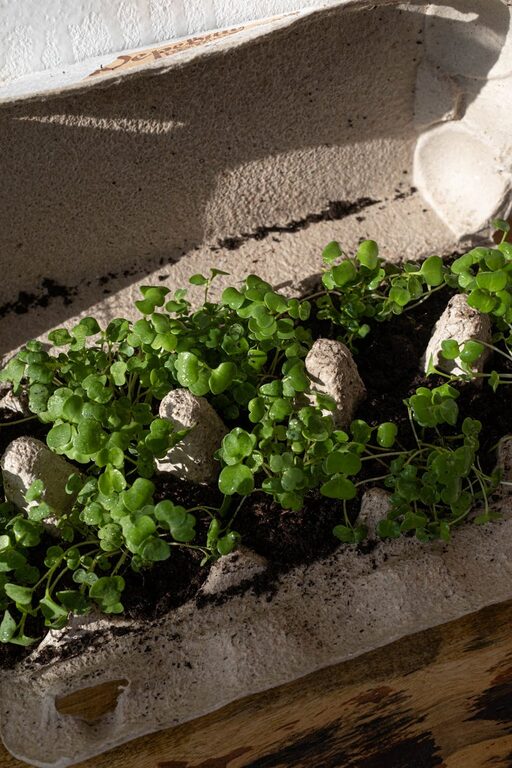
Avoid plastic pots when possible. Instead, choose biodegradable, ceramic, or terracotta pots that allow good airflow to roots and break down more naturally. Opt for organic potting mixes free from harmful chemicals. You can also make your own soil blend using compost and natural materials.
Water Wisely
Overwatering is a common mistake. Research each plant’s watering needs and stick to recommended schedules. Use a watering can with a narrow spout to control the amount. Collect rainwater or use filtered tap water if possible to reduce exposure to chlorine and chemicals.
Use Natural Fertilisers
Instead of synthetic fertilisers, choose natural options such as compost tea, worm castings, or seaweed extract to feed your plants. These options nourish plants without harming the environment.
Step 3: Set Up Your Plant Space Thoughtfully
Maximise Natural Light
Position plants near windows where they’ll receive appropriate light. Rotate plants regularly to encourage even growth. If natural light is limited, consider supplementing with energy-efficient LED grow lights designed for indoor plants.
Maintain Humidity and Airflow
Many indoor plants thrive in moderate humidity. Simple ways to increase humidity include grouping plants together or using a pebble tray with water. Avoid placing plants near drafts or heating units, which can dry them out.
Create a Routine Care Schedule
Set reminders to check on your plants regularly. This helps you notice early signs of pests or disease and ensures you keep up with watering, feeding, and pruning.
Step 4: Learn Basic Plant Care Skills
Pruning and Cleaning
Trim dead or yellowing leaves to keep plants healthy and encourage new growth. Clean leaves gently with a damp cloth to remove dust, improving photosynthesis.
Repotting
As plants grow, they may need repotting into larger containers. Choose the right time, usually every 1-2 years, and handle roots carefully to avoid damage.
Pest Management
Keep an eye out for common indoor pests such as spider mites, aphids, or mealybugs. Use natural pest control methods like neem oil or insecticidal soap instead of harsh chemicals.
Step 5: Document and Enjoy Your Progress
Keeping a plant journal or using a smartphone app can help track watering schedules, growth progress, and any issues encountered. Sharing your successes and questions with an online plant community can provide motivation and helpful advice.
Most importantly, enjoy the process of nurturing your plants. Watching them grow and thrive indoors creates a calming, natural space that benefits your home environment.
—
Summary
Creating a sustainable and thriving indoor plant collection starts with choosing the right plants, using eco-friendly materials, and setting up a suitable care routine. By learning basic skills, watering wisely, and maintaining good plant health, beginners can build a green space that flourishes long term. Sustainable indoor gardening is a rewarding hobby that connects you to nature inside your home. With patience and care, your indoor garden will bring beauty and wellbeing to your daily life.
About the Author